


Helping Your Rescue Dog Settle In: How Recurring Dog Walks Build Confidence in Mandeville, Covington and Madisonville

Updated: 5 days ago
Bringing home a rescue dog or cat is one of the most rewarding decisions a pet parent can make. It is also a major change for the animal. Even in the best circumstances, many rescue pets feel overwhelmed, anxious or unsure of themselves during their first weeks in a new home.
Adjustment takes time, patience and structure. Fur de Lis Pet Care is a professional pet care company built on extensive veterinary training and operating under veterinary trained oversight, and we work with newly adopted pets throughout Mandeville, Covington, Madisonville and the surrounding Northshore. Here is how to help your rescue pet feel safe in their new home, and why recurring dog walks are one of the most effective tools for building a rescue dog's confidence.

Give Your Rescue Pet a Quiet Place to Decompress
Rescue pets need a space where they can step away from new sounds, new people and new smells. Too much stimulation in the first few days is one of the most common sources of stress for a newly adopted pet.
For dogs, this might be:
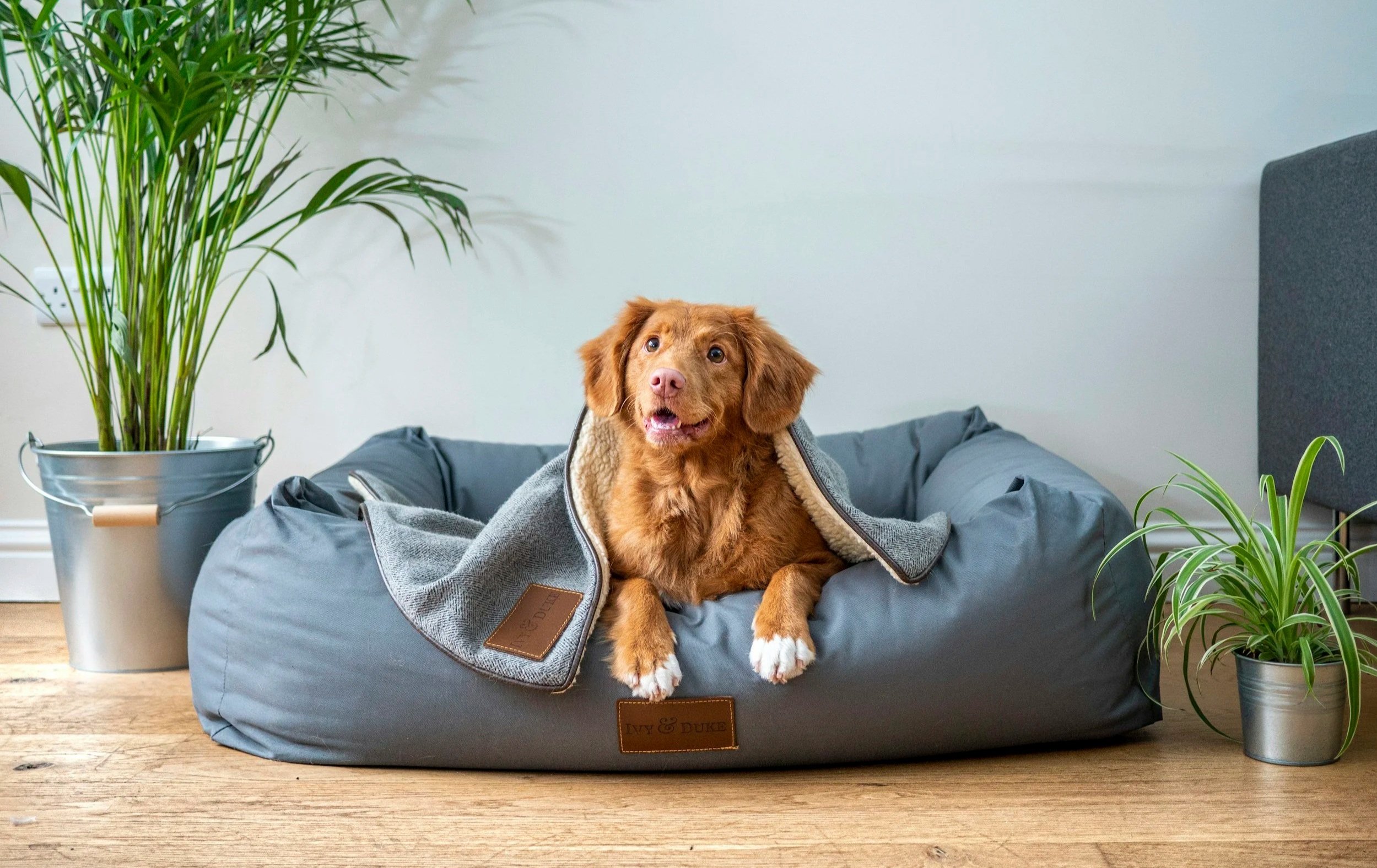
A soft bed in a quiet room
A crate with bedding and a cover
A corner away from doorways and heavy foot traffic
For cats, consider:
A single quiet room for the first several days
Covered beds or hiding spots
Scratching posts and elevated perches
A retreat of their own gives your new pet a home base, and a home base is where confidence starts.
Structure Is What Builds a Rescue Dog's Confidence
Many rescue dogs come from unstable situations where nothing was predictable: meals, people, shelter or safety. In a new home, a predictable schedule tells them the world is no longer random. When a dog can anticipate what happens next, they spend less energy on worry and more energy learning, exploring and bonding with you.
Aim to keep these consistent from day one:
Meal times
Potty breaks
Walk times
Bedtime
Of everything on that list, the walk is often the hardest to keep consistent and the most valuable when you do. For most working households on the Northshore, the midday walk is the first thing to fall apart when a busy week shows up.
Why Recurring Dog Walks Help Rescue Dogs Thrive
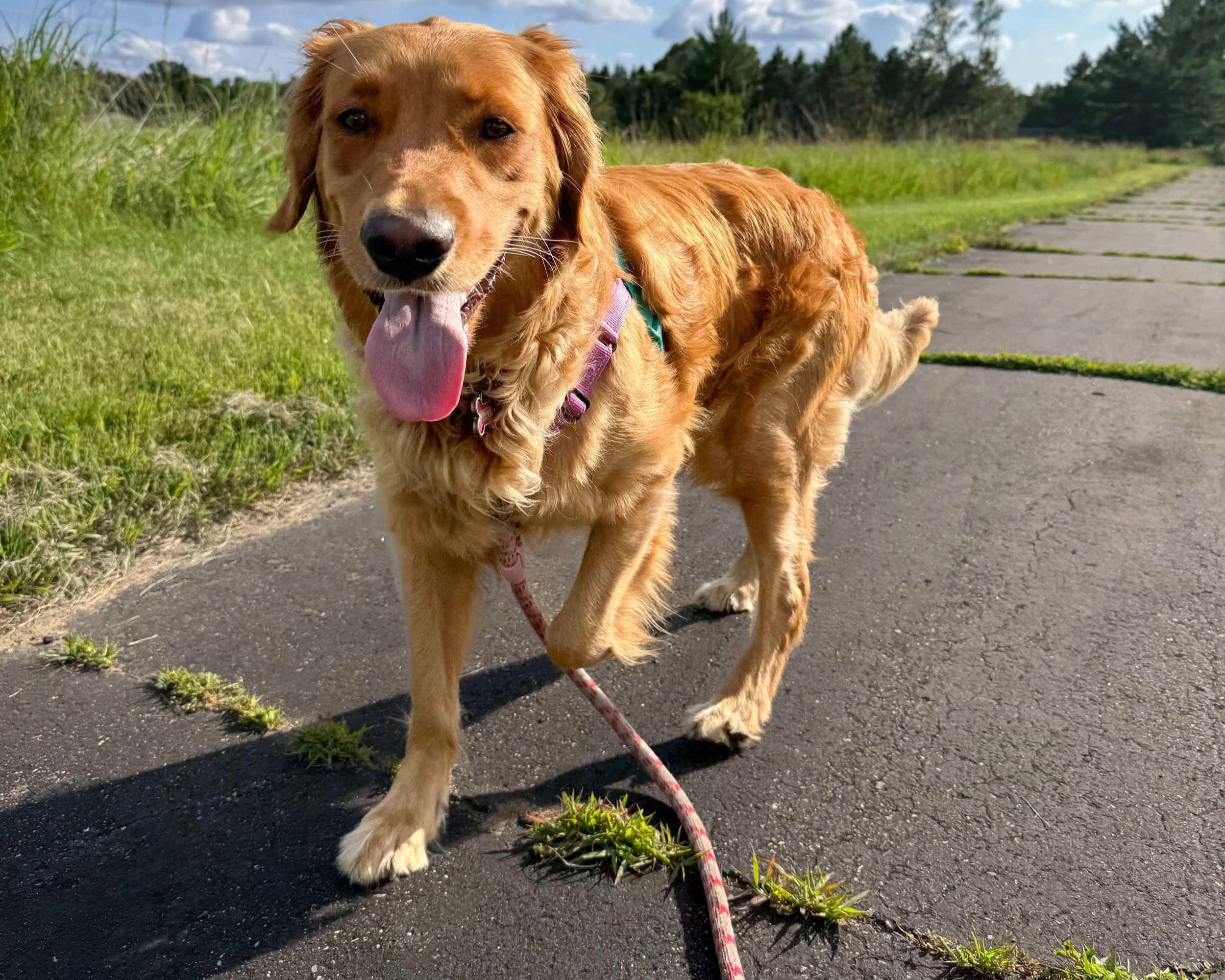
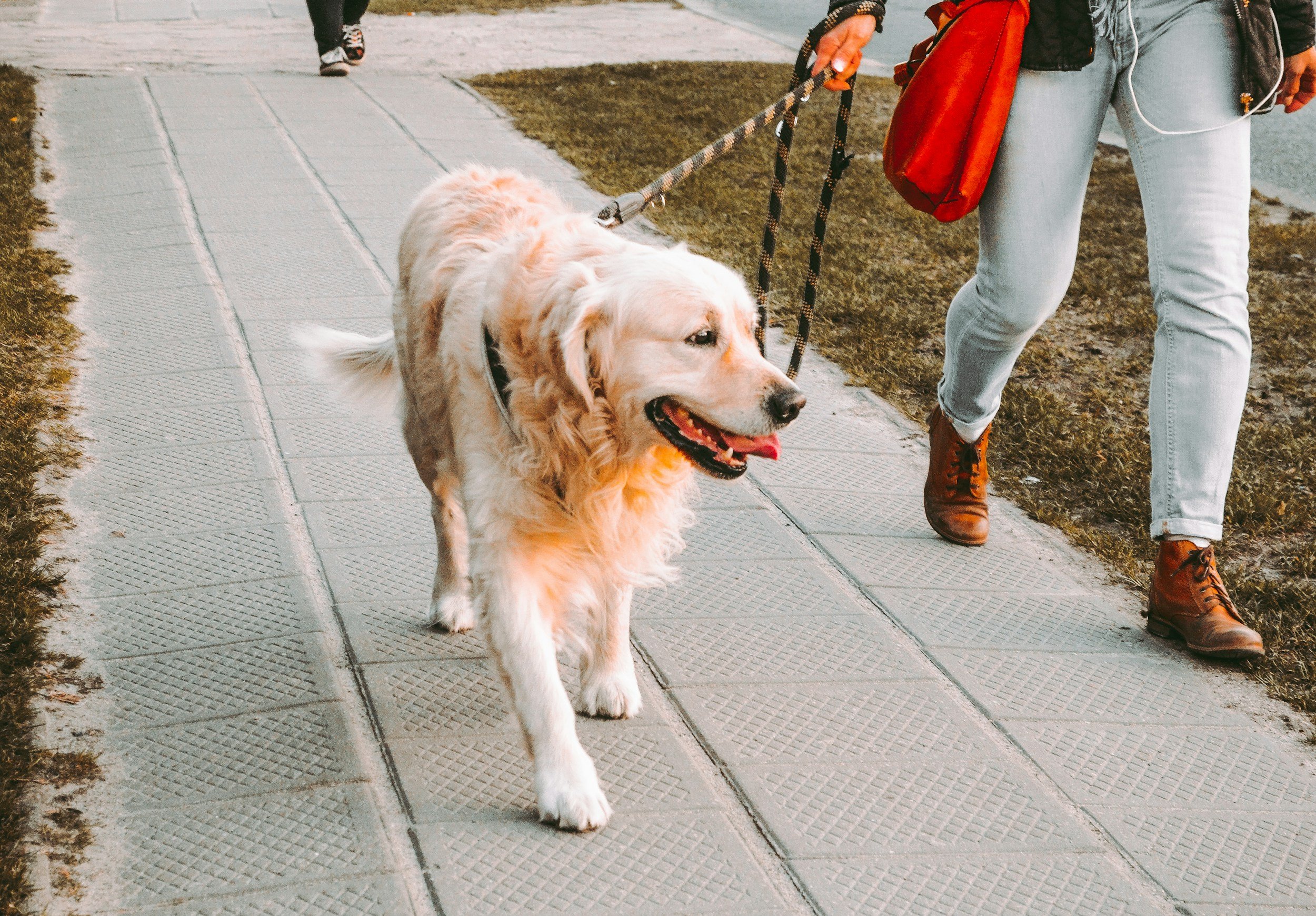
Recurring dog walks turn a good intention into a fixed part of your dog's week. Instead of a walk that happens some days and not others, your dog has walk days they can count on. For a rescue dog still figuring out their new life, that consistency is significant.
Predictability lowers anxiety. When the same kind of walk happens on the same days, your dog begins to expect it. That expectation replaces uncertainty, and a rescue dog who knows what is coming is a calmer rescue dog.
Repetition builds new skills. Leash manners, potty habits and calm greetings all improve with consistent work. Regular walks give your dog steady, low-pressure repetitions in the real world, which supports the training you are doing at home.
Familiar faces build trust. Rescue dogs often take time to warm up to new people. With recurring walks, your dog sees a familiar member of our team on a predictable schedule, and over time that becomes another relationship that helps them feel secure.
Exercise and enrichment ease nervous energy. Pacing, chewing, barking and accidents are common in newly adopted dogs, especially during long workdays alone. A midday walk with time to sniff and explore their new neighborhood burns off that energy and breaks up the day.
Trained eyes notice early changes. Because every walk is backed by veterinary trained oversight, our team watches for details that matter during the adjustment period, such as changes in appetite, stool, gait or energy, along with signs of stress. Anything notable goes into your live visit report so you can follow up with your veterinarian early.
A note on timing: some rescue dogs need a short decompression period at home before meeting new people. If your dog is very fearful, we will talk through the best time to start walks during your Meet & Greet.
The VIP Walk Club: Built for Consistency
The VIP Walk Club is designed for dogs who benefit from structure, which describes nearly every newly adopted rescue dog. Members schedule three or more walks per week and receive:
Priority scheduling on your preferred walk days
15% off every walk
A free lockbox for secure key access
Coverage for up to two dogs
Additional member perks
New VIP Walk Club members receive their first week of walks free.
Walks are offered in 20-, 30-, 45- or 60-minute lengths, seven days a week (excluding holidays), between 10 a.m. and 3 p.m. within a two-hour arrival window. Each walk includes a potty break, fresh water, playtime, an enrichment-focused walk close to home and a live visit report with photos. Shorter walks are a good starting point for a nervous dog, and longer walks suit a high-energy dog who needs more exercise.
Use Positive Reinforcement
Many rescue pets have experienced fear, neglect or inconsistent handling. Positive reinforcement is one of the most effective ways to build trust.
Reward the behavior you want with:
Small, high-value treats
Calm praise
Toys
Gentle affection, when your pet welcomes it
Avoid harsh corrections or raised voices, which can increase fear and set back the trust you are building. Early rewards are especially helpful for potty training, leash walking and crate training.
Have Supplies Ready Before Day One
Preparing ahead lets you focus on your new pet instead of last-minute errands. Have these ready before your rescue comes home:
Food and water bowls
A well-fitted collar or harness, leash and ID tag
The food your shelter or veterinarian recommends
Toys and enrichment items
Bedding
A litter box and litter for cats
A crate or gated area if needed
For newly adopted dogs, a secure harness is worth the investment. Rescue dogs can startle easily in the first weeks, and a properly fitted harness reduces the risk of slipping out of a collar on a walk.
Expect an Adjustment Period
Some rescue pets settle in within days. Others need weeks or months before they fully relax and show their true personality. During the adjustment period, it is normal to see:
Nervousness or hiding
Changes in appetite
Accidents in the house
Barking, whining or other vocalization
Restless sleep
Separation anxiety
Structure, patience and reassurance go a long way. If symptoms such as refusing food for more than a day or two, vomiting or diarrhea appear, contact your veterinarian.
Let Trust Build at Your Pet's Pace
Trust is earned gradually, especially for pets coming from difficult backgrounds. Let your new pet approach people and interactions on their own terms, and limit visitors, loud gatherings and constant handling during the first few weeks. As your pet feels more secure, you will see more of their personality each week.
Dog Walking and Pet Care for Rescue Pets Across the Northshore
Fur de Lis Pet Care provides recurring dog walks, in-home pet sitting, overnight and live-in stays and Special Care Visits for pets recovering from surgery or living with chronic health conditions. We serve rescue dogs and cats throughout Mandeville and in select areas of Covington and Madisonville.
In Mandeville, we walk dogs in The Sanctuary, Beau Chene, Old Mandeville, Lewisburg, Fountainebleau, Beau Rivage and neighborhoods throughout the city. In Covington, we serve Tchefuncta Club Estates, Tchefuncte Trace, River Club, Terra Bella and nearby neighborhoods. In Madisonville, our team walks dogs in Bedico Creek, Black River Estates, Windermere and the Historic & Waterfront District.
Book a complimentary Meet & Greet today to start your rescue dog's first week in the VIP Walk Club free.
Comments