
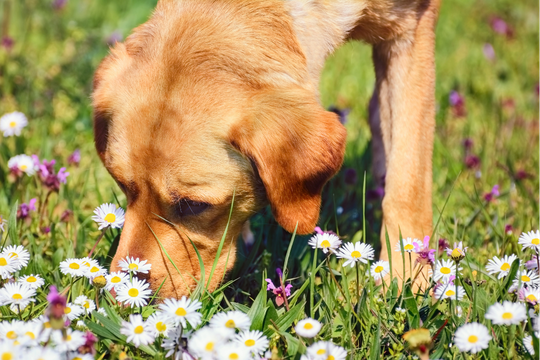
South Louisiana landscaping is beautiful, but a lot of what grows in yards and along walking paths in Mandeville, Covington, and across the Northshore can be extremely dangerous for dogs and cats alike. Many pet owners are surprised to learn that some of the most common plants in local neighborhoods are also among the most toxic, whether your pet is a dog you walk on leash or a cat who spends time outdoors.
Knowing what to look for can help you protect every pet in your household, no matter what time of year it is.
Sago Palms Are the Biggest Threat in South Louisiana
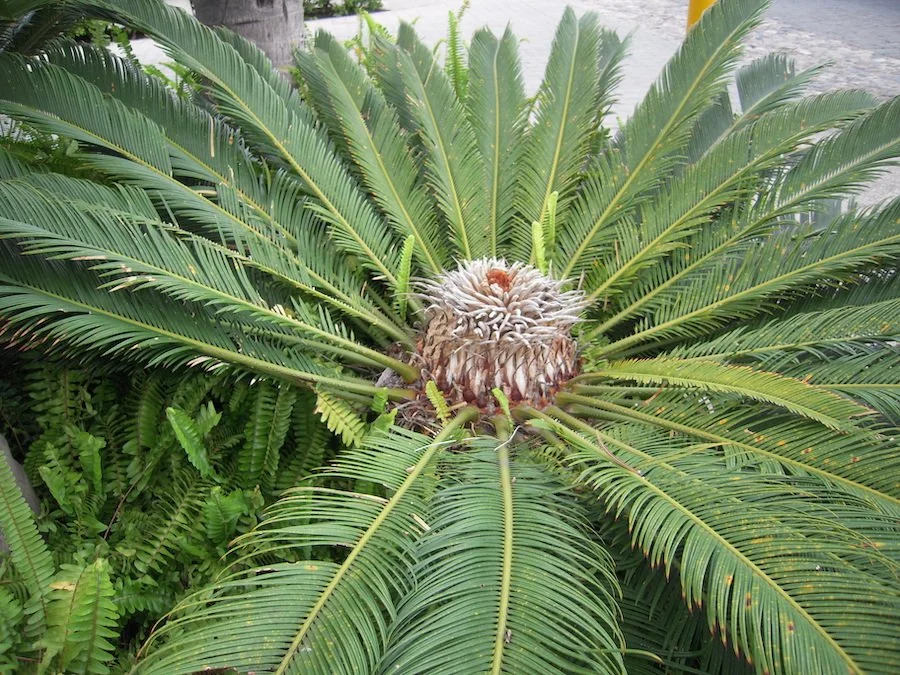
If there is one plant every pet owner on the Northshore needs to know, it is the sago palm. These plants are everywhere in local landscaping, from front yards to shopping center entrances, and they are one of the most toxic plants a dog or cat can encounter.
Every part of the sago palm is poisonous, but the seeds are especially dangerous, containing the highest concentration of the toxin. Ingesting even a small amount can cause severe vomiting, diarrhea, liver failure, and in many cases, death. This risk applies to cats just as much as dogs. Cats who roam outdoors and are drawn to chewing on plants or landscaping mulch are just as vulnerable as a curious dog on a walk. Symptoms can appear within hours, and by the time they do, significant internal damage may have already occurred.
Because sago palms are so common in this area, it is worth walking your own property and checking with neighbors or property managers about landscaping in shared spaces. If you have a sago palm at home, fencing it off or removing it entirely is one of the most effective things you can do to protect both dogs and outdoor cats.
Other Toxic Plants Common in Mandeville and Covington
Sago palms are the most urgent concern, but they are far from the only risk. Other plants frequently found in local yards, parks, and along neighborhood streets include:
Oleander, a common privacy hedge that is toxic in every part of the plant
Azaleas, widely planted throughout the Northshore
Lantana, especially the unripe berries
Elephant ears, common in shaded, moist areas of South Louisiana yards
Easter lilies, extremely dangerous for cats, where even small exposure can cause kidney failure
Foxglove, sometimes found in ornamental garden beds
Castor bean, occasionally used as an ornamental plant despite containing ricin
Many of these show up in decorative landscaping near sidewalks, apartment complexes, and business entrances, not just private yards, which means dogs and outdoor cats can encounter them in places well beyond your own property line.
Why These Plants Are Dangerous
Different plants affect pets in different ways. Some cause digestive upset that resolves with monitoring, while others can affect the liver, heart, kidneys, or nervous system and require immediate veterinary care. Sago palms fall firmly into the second category, along with oleander, and lilies pose a uniquely serious risk to cats specifically.
The severity of a reaction often depends on how much was ingested and the size of the animal, but with a plant like sago palm, there is no safe amount for a dog or a cat. Even a small bite can be life threatening.
Signs Your Pet May Have Ingested a Toxic Plant
Watch for these signs in dogs and cats after time outdoors or in the yard:
Drooling or vomiting
Lethargy or sudden weakness
Diarrhea
Difficulty walking or standing
Yellowing of the gums or eyes, which can indicate liver involvement
Loss of appetite
Unusual or disoriented behavior
In cats specifically, increased thirst or reduced urination, which can signal kidney involvement
If you notice any of these signs, especially after your pet has been near a sago palm or, for cats, a lily, contact your veterinarian or an emergency veterinary hospital right away. With toxic plant exposure, time matters.
Reducing Exposure for Dogs on Walks
A few practical habits can lower the risk significantly:
Learn to recognize sago palms and other high-risk plants on your regular walking routes
Keep your dog on a leash rather than allowing free exploration near landscaped areas
Discourage sniffing, chewing, or digging near unfamiliar plants and mulch beds
Pay attention to newly landscaped properties, since fresh plantings and mulch tend to draw curiosity
Reducing Exposure for Outdoor Cats
Cats who spend time outside present a different challenge, since they roam more freely and cannot be leashed the way a dog can. A few things can help:
Know what is growing in your own yard and in neighboring yards your cat has access to
Remove or fence off sago palms and other high-risk plants anywhere your cat can reach them
Keep an eye out for changes in behavior after your cat has been outside, since outdoor cats cannot always be directly supervised the way a dog on a walk can
Yard Safety at Home
If sago palms, oleander, lilies, or other toxic plants are part of your landscaping, it is worth reconsidering whether they belong in a yard your dog or cat has access to. Removing them or fully fencing them off removes the risk before your pet is ever near them.
This is also worth checking with neighbors, landlords, or HOA landscaping if your pet has access to shared outdoor spaces.
A Safer Way to Enjoy the Outdoors
None of this means pets should avoid time outside. It simply means South Louisiana's landscaping calls for a little more awareness than pet owners in other parts of the country might need, for dogs on leash and cats who roam alike. Knowing what grows in your yard and in the areas your pet spends time, and taking a few precautions around it, goes a long way toward keeping every pet in your household safe.
If you are ever unsure whether a plant in your yard poses a risk, your veterinarian is a good resource for identifying it and understanding what to do if your pet gets into it.
